Pest Control Services for Property Managers and Landlords
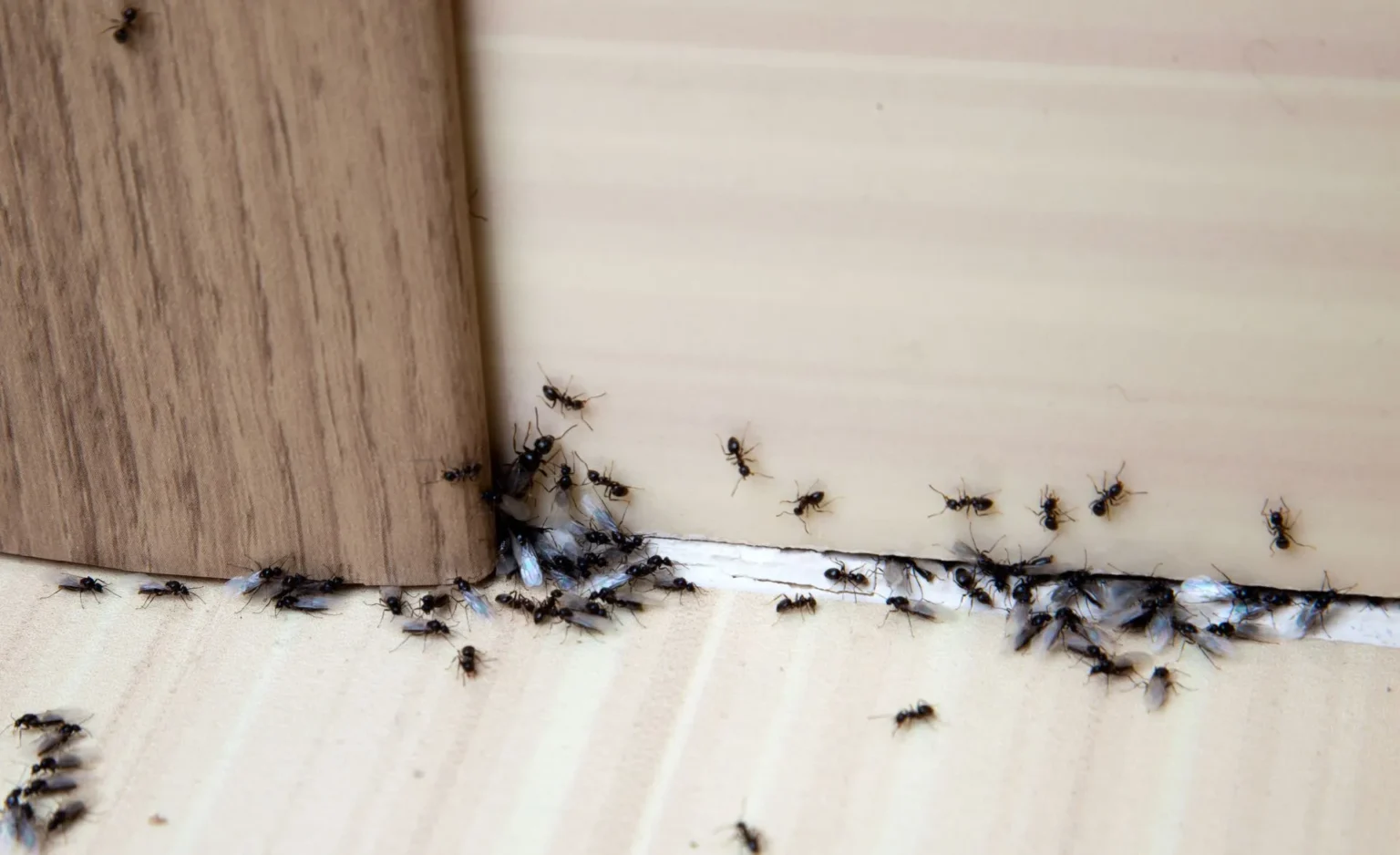


Managing rental property means dealing with problems that rarely arrive at a convenient hour. A water heater fails on a Friday night. A tenant locks themselves out on a holiday weekend. Then there are the calls nobody wants: scratching in the wall, droppings under the sink, bites that appear overnight, roaches in a vacant unit just days before a new lease starts.
For property managers and landlords, pests are not a minor housekeeping issue. They affect habitability, lease compliance, tenant retention, online reviews, unit turn speed, and in some cases legal exposure. A single mouse sighting in one apartment can turn into a building-wide problem if the response is slow or incomplete. Bed bugs can move from one unit to the next with surprising speed. Cockroaches thrive in the kind of hidden voids and moisture pockets that are common in older multifamily buildings. Even in well-maintained properties, pressure from neighboring structures, seasonal weather shifts, and tenant behavior can create the perfect conditions for infestations.
That is why Pest Control Services for rentals require a different level of planning than service for a single-family owner-occupied home. The work is not just about killing pests. It is about documentation, communication, accountability, prevention, access coordination, and repeatable systems. The best results come when property operations and pest management work together instead of treating each issue as an isolated maintenance ticket.
What makes rental properties uniquely vulnerable
Rental housing creates complexity because the environment is shared, even when the leases are separate. A tenant may keep a clean kitchen, but if the neighboring unit has chronic clutter, plumbing leaks, or unsealed food storage, insects and rodents do not respect the property line drawn by the lease. In a duplex, a problem can often be traced quickly. In a garden-style apartment building, mixed-use property, or older multifamily structure, the source may be several walls away.
Turnover adds another layer. Vacant units often reveal what occupied units conceal. When furniture is removed and cabinets are emptied, technicians find droppings behind stoves, roach activity around refrigerator compressors, and evidence of prior treatments under sinks or in utility closets. Many infestations become obvious only when a unit is prepared for repainting or flooring replacement.
There is also the question of responsibility. In practice, pest issues usually sit at the intersection of owner obligations and tenant conduct. A property owner may be responsible for maintaining a habitable premises and addressing structural gaps, while the tenant may be required to maintain sanitary conditions and report problems promptly. The friction starts when either side assumes the other caused the issue. A professional service plan helps because it brings objectivity. The technician can document conditions, identify likely contributing factors, and separate symptom from cause.
Seasonality matters too. Ants surge in spring, stinging insects become a concern in summer, rodents push indoors in fall and winter, and cockroaches can remain active year-round, especially in heated buildings. In humid climates, moisture pests such as silverfish and drain flies can become recurring annoyances. In dense urban areas, rats and German roaches are often persistent due to pressure from alleys, restaurants, sewers, and adjoining properties. In suburban settings, mice, wasps, spiders, and occasional invaders like centipedes or earwigs may dominate service calls.
Why reactive service usually costs more
Many landlords begin with a simple approach: call someone when a tenant complains. That feels sensible, especially in a smaller portfolio. The problem is that purely reactive service tends to be the most expensive way to handle pests over time.
By the time a tenant reports a problem, the infestation is often established. Roaches have already spread to appliances and wall voids. Mice have found multiple travel routes. Bed bugs have moved beyond a single sleeping area. At that stage, the work is more labor-intensive, access becomes more important, and follow-up visits are likely. The direct invoice is only part of the cost. There may also be rent concessions, delayed move-ins, maintenance labor, and reputational damage if residents feel the building is not being managed properly.
I have seen this play out most often with vacant units that looked clean on the surface. A quick walk-through showed fresh paint, decent flooring, and no obvious signs of activity. Then the new tenant moved in, plugged in the refrigerator, warmed up the kitchen, and started seeing roaches within a week because egg cases and harborages had never been addressed during turnover. The owner ended up paying for emergency treatment, tenant communication, and extra follow-ups that could have been avoided with a more thorough pre-lease inspection.
Preventive Pest Control Services rarely eliminate every service call, but they reduce surprises. They also create a paper trail showing that the property is inspected, treated when needed, and monitored. That record can be invaluable if there is a dispute over recurring complaints or responsibility for conditions inside a unit.
The pests that create the biggest headaches
Not all pests carry the same operational risk. Some are mostly nuisance issues. Others can disrupt occupancy, trigger health concerns, or spread quickly through shared structures.
Rodents are at the top of the list because they combine tenant distress with structural consequences. Mice contaminate food, leave droppings, chew stored goods, and can slip through openings as small as a dime. Rats bring an even higher level of concern, especially in urban multifamily settings where trash management and exterior sanitation are part of the equation. Once rodents establish travel routes, trapping alone is rarely enough. Exclusion is essential.
Cockroaches, especially German roaches, are another major challenge. They reproduce quickly, hide in tiny crevices, and often require more than one treatment cycle. In multifamily buildings, one poorly maintained unit can undermine control efforts in the surrounding apartments. Success depends on access, sanitation, moisture correction, and strategic placement of baits and monitors.
Bed bugs are operationally demanding even when the infestation is small. They do not care whether a unit is luxury or budget, spotless or cluttered. They hitchhike on luggage, furniture, and clothing. Because treatments often require detailed preparation, tenant cooperation can determine whether the issue is resolved quickly or drags on for weeks.
Ants, spiders, flies, and occasional invaders can usually be managed more easily, but repeated reports often point to maintenance gaps. Drain flies suggest moisture or biofilm in plumbing-related areas. Pavement ants often exploit cracks and utility penetrations. Wasps around eaves or balconies can become a liability issue if residents are being stung or afraid to use outdoor space.
Termites and wood-destroying insects deserve special mention because they are less about immediate tenant complaints and more about asset protection. Landlords sometimes focus on the pests residents can see, but ignoring periodic inspections for termites, carpenter ants, or carpenter bees can lead to repair costs far beyond a standard service contract.
What good pest control looks like in a rental setting
Effective service in a managed property is methodical. It starts with inspection, not spraying. A technician should want to know where activity has been seen, how long it has been happening, whether neighboring units are involved, what sanitation conditions exist, and where water, heat, food, and harborage are available.
For property managers, the best vendors think like partners rather than route-based responders. They document findings clearly, note structural defects, identify tenant preparation needs, and explain whether the issue appears isolated or likely to spread. They also understand access logistics. A great treatment plan is useless if half the affected units cannot be entered or if nobody has told the residents how to prepare.
A strong service provider will also distinguish between immediate control and long-term prevention. Killing visible pests may solve the complaint for a few days, but without sealing entry points, correcting leaks, managing dumpsters, and improving housekeeping where needed, the underlying pressure remains. The most successful programs combine treatment with building maintenance and tenant education.
There is usually a noticeable difference between companies that mostly serve single-family homes and those that regularly work with property managers. In rental housing, speed matters, but so do consistency and records. Managers need service reports that can be attached to a work order, shared with owners, and referenced if the same unit reports activity again in three months. Vague notes such as “treated as needed” do not help much when complaints become patterns.
Choosing a provider without buying on price alone
Price is always part of the decision, especially for owners managing multiple units or older buildings with tight margins. Still, the cheapest quote often omits exactly what matters most: follow-up visits, tenant notices, detailed inspection reports, exclusion recommendations, or service across adjacent units.
When comparing Pest Control Services, it helps to look beyond the base monthly or quarterly number. Ask what happens when a resident reports activity between scheduled visits. Ask whether vacant units are included in regular inspections. Ask who handles bed bug programs, what kind of documentation is provided, and whether the company can coordinate with maintenance teams on sealing gaps or correcting conducive conditions.
The best value usually comes from a provider that understands portfolio management. If they can standardize service protocols across several properties, train on-site staff to spot early warning signs, and deliver reports in a format that your team can actually use, they save more than they charge. They https://fernandovdqw867.theglensecret.com/emergency-pest-control-services-for-sudden-infestations reduce wasted trips, repeated complaints, and guesswork.
One practical test is to look at how the company communicates after the first site visit. A capable vendor does not drown you in jargon, but they also do not oversimplify. They should be able to tell you whether the issue is likely from sanitation, moisture, structural access, neighboring pressure, or resident behavior, and what each party needs to do next.
The role of inspections during vacancy and turnover
Turnovers are the best time to get ahead of pest problems. The unit is accessible, surfaces are visible, and there is no need to coordinate treatment around a resident’s schedule. Yet turnovers are often rushed, especially in busy seasons, and pest inspection gets reduced to a quick glance under the sink.
That is a mistake. A vacant unit should be treated as an opportunity to reset the environment. Pull appliances forward. Check behind the stove and refrigerator. Inspect cabinet hinges, under-sink voids, utility penetrations, baseboard gaps, and HVAC closets. Look for droppings, frass, egg cases, grease marks, shed skins, and moisture staining. In soft-floor areas, scan edges and transitions for signs of prior bed bug activity or flea pressure if pets were allowed.
If the property has a history of roaches or mice, preventive treatment between tenants can be money well spent. It is far easier to place baits, dust voids where appropriate, seal openings, and set monitors in an empty unit than after a new resident has unpacked. A single missed problem during turnover can snowball into a resident retention issue before the first month of rent is due.
I have seen landlords save thousands simply by adding pest review to their standard make-ready checklist. Not a cosmetic once-over, but a formal inspection with photos and clear pass or fail criteria. The unit either has evidence of activity or it does not. If it does, the problem gets addressed before leasing, not after.
Documentation protects everyone
Property managers live by documentation because memories shift once frustration sets in. Pest issues are no exception. Tenants may say they reported a concern weeks earlier. Owners may ask why treatment costs escalated. Maintenance may insist they sealed an opening that the pest vendor still sees as active. Written records reduce the friction.
A solid file for a recurring issue should include the initial complaint date, the units involved, technician findings, service reports, tenant preparation notices if applicable, photos of conditions, notes on structural recommendations, and records showing whether maintenance completed those recommendations. This is not bureaucracy for its own sake. It is the backbone of accountability.
Bed bug cases highlight this better than almost any other category. These jobs often involve multiple visits, prep instructions, laundering, clutter reduction, inspection of adjacent units, and occasional disputes over introductions or compliance. Without careful records, the situation can become emotional and expensive very quickly.
The same applies to rodent work. If a vendor repeatedly notes unsealed pipe chases, damaged sweeps, overflowing trash areas, or garage door gaps, and those conditions are not corrected, the service bill becomes only a partial picture. The real issue is not treatment frequency. It is incomplete follow-through.
Where managers and tenants often work against the process
Some pest problems persist because the treatment plan is weak. Many persist because the building operation undermines the treatment.
The most common issue is delayed reporting. Tenants often wait until a problem is impossible to ignore, either because they assume it is minor or because they do not want maintenance entering the unit. By then, what could have been handled with a targeted visit may require a broader response.
Another common problem is incomplete preparation. Residents are asked to empty cabinets, bag clothing, reduce clutter, or allow appliance access, and the instructions are only half done. This is especially damaging with bed bugs and roaches. A technician can be highly skilled and still fail if they cannot reach the areas where pests are hiding.
Then there are maintenance gaps that look small but matter a great deal. A loose escutcheon plate under a sink, a missing door sweep, an unsealed cable penetration, a chronic drip at a shutoff valve, or a dumpster lid left open every night can all support ongoing activity. Pest control and property maintenance are inseparable in real-world rental operations.
The best managers close this gap by setting expectations early. Pest reporting is written into move-in materials. Residents know how to submit a complaint, what access will be required, and what housekeeping standards are expected under the lease. On the back end, the pest vendor’s recommendations flow into maintenance tickets instead of disappearing into email.
A practical service framework that works
For most landlords and property managers, an effective program has four moving parts:
- Regular inspections of common areas, exterior pressure points, and problem-prone units.
- Clear response protocols for resident complaints, including access scheduling and follow-up.
- Preventive work during turnover, especially in buildings with prior pest history.
- Coordination between pest professionals, maintenance staff, and leasing teams.
That may sound simple, but consistency is what makes it work. If inspections happen but nobody acts on recommendations, results suffer. If maintenance seals openings but leasing moves in a resident before treatment is complete, complaints return. If the vendor treats a unit without checking adjacent exposure, shared-wall infestations continue.
In smaller portfolios, this framework can be managed with a simple spreadsheet or property management software workflow. In larger operations, it often makes sense to designate one person who owns pest-related coordination so requests, reports, and repair actions do not scatter across departments.
Legal and habitability considerations
Laws vary by state and municipality, so owners should avoid assumptions. In some locations, landlords are broadly responsible for keeping rental units free of infestations, especially in multifamily housing. In others, responsibility may shift depending on the pest type, the cause, or whether tenant housekeeping contributed materially to the issue. Local health departments and housing codes may also impose standards that are more specific than the lease language.
That legal uncertainty is one more reason to have a defined process. Prompt response, documented inspections, professional treatment, and written recommendations show that the issue was taken seriously. If responsibility is disputed, you want facts, not improvisation.
It is also worth remembering that habitability is not judged solely by the size of the bug or rodent problem. Tenant perception matters. One rat in a hallway, one wasp nest near a stairwell used by children, or one recurring roach complaint in a renovated unit can shape how residents talk about the property. Online reviews rarely include the nuance of whether the building was treated on schedule. They usually describe whether the resident felt heard and whether the problem stopped.
Budgeting for pest control as an operating expense, not a surprise
Owners who treat pest control as a sporadic emergency line item often end up overspending. It is generally more efficient to budget for routine service, seasonal pressure, and known risk categories than to act shocked each time nature behaves like nature.
A sensible budget depends on property type, age, location, and history. A well-sealed newer duplex in a low-pressure area may need little more than periodic inspection and occasional treatment. An older 24-unit building near restaurants or heavy trash corridors may need ongoing monthly service plus extra allowance for vacancies, bed bug incidents, or rodent exclusion work. The right number is less important than the mindset. Pests are a predictable operating reality in rental housing. Planning for them produces better outcomes than pretending they are rare.
When owners resist this, I often ask a simple question: what does one lost tenant cost compared with one year of preventive service? Once you factor in vacancy days, cleaning, repainting, leasing time, and the possibility of reduced renewal rates, preventive service usually looks inexpensive.
What residents notice, and what keeps them renewing
Residents do not expect perfection from a building. They do expect responsiveness and competence. If they report ants after a heavy rain and the issue is handled quickly, most move on. If they report mice twice, hear promises, and keep finding droppings under the sink, trust erodes fast.
That trust affects renewals. A tenant who doubts building management on pests often starts doubting everything else too. Small maintenance frustrations feel bigger when residents think the basics are not under control. On the other hand, prompt service, clear communication, and visible prevention efforts can reassure tenants even when an issue occurs.
Simple details matter. Service windows should be realistic. Notices should explain what the resident needs to do and why. Follow-up should confirm what was found and what comes next. If multiple visits are likely, say so upfront. People are much more patient with a process when they understand it.
The most durable results come from partnership
The strongest pest control outcomes in rental property rarely come from treatment alone. They come from a partnership among ownership, management, maintenance, residents, and the pest professional. Each party controls part of the environment. Ignore one piece and the others have to work much harder.
Landlords and property managers who handle this well tend to share a few habits. They take early complaints seriously. They inspect vacant units thoroughly. They hire vendors who document conditions instead of just applying product. They fix the openings and moisture issues that keep inviting pests back. They train their staff to recognize signs before residents are forced to make the call.
Pest Control Services are most valuable when they are built into the rhythm of property management rather than treated as occasional rescue work. That approach protects the asset, supports habitability, reduces conflict, and gives residents one less reason to look elsewhere when the lease comes up for renewal.
Affordable Pest Solutions LLC
Phone number: +19732299547
FAQ About Pest Control Services
How much does pest control charge?
For a standard 1,500-square-foot home, professional pest control charges generally average $100 to $300 for an initial visit, with ongoing monthly services running $40 to $75 per visit and one-time emergency exterminations costing $100 to $600, depending heavily on the specific pest and the severity of the infestation.
What is the hardest pest to get rid of?
Bed bugs are widely considered the hardest household pest to get rid of, closely followed by German cockroaches and subterranean termites.
What is included in a pest control service?
A standard pest control service includes a property inspection, targeted treatments, and prevention advice. It typically covers common pests like ants, spiders, and cockroaches, using sprays, baits, or traps.